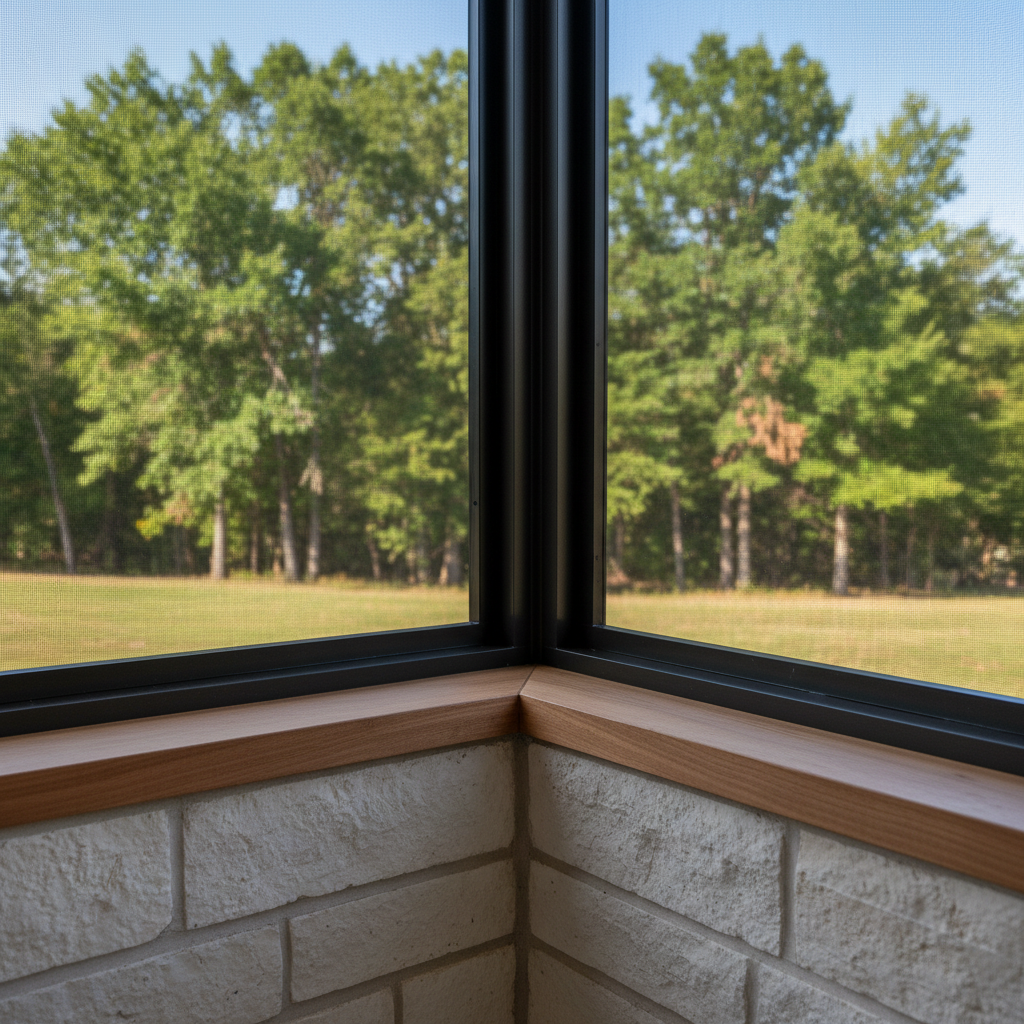
So, you're dreaming of a screen room, huh? Good idea. There's nothing quite like enjoying our beautiful East Texas evenings without battling the mosquitos or those pesky gnats that show up after a good rain. But before you grab a hammer and start tearing into your patio, let's talk about what goes into a screen room installation. It's not always as simple as it looks, and knowing what you're getting into can save you a whole lot of headache and money.
Before You Start: Planning & Permits
First things first, you can't just build whatever you want wherever you want. There are rules, you know? Every city, including Canton, has building codes and zoning ordinances. You'll need to check with the City of Canton Planning Department to see if your screen room project requires a permit. Most additions to your home, even a screen room, usually do. This isn't just red tape, by the way; it's about making sure your structure is safe and up to snuff. Ignoring this step can lead to fines, having to tear down your work, or problems when you try to sell your house down the road.
You'll also need to think about your HOA, if you have one. Many neighborhoods around Lake Fork or even closer to town, like those off Highway 19, have covenants that dictate what you can and can't build, and what materials you can use. Don't skip this; a quick call or email can save you a lot of grief.
Then there's the design. Are you attaching it to your existing house? Building it freestanding? What kind of roof will it have? What type of screens? This is where you can do a lot of research yourself. Look at pictures online, visit local hardware stores, and get a feel for what you like and what fits your budget. Think about how you'll actually use the space – for dining, relaxing, or maybe even an outdoor office. This planning phase is 100% DIY, and it's crucial.
The "During" Phase: DIY vs. Professional Help
Okay, you've got your plans, you've got your permits (or at least know you need them). Now for the actual building. This is where the line between DIY and calling a pro gets a little blurry, and honestly, it depends a lot on your skill level, your tools, and your time.
- Small, Simple Kits: If you're looking at a small, pre-fabricated screen enclosure kit that's basically a glorified tent or a very basic gazebo-style screen room, you might be able to tackle this yourself. These often come with detailed instructions, and if you're handy with a drill and a level, you can probably get it done. Just make sure your foundation is level, especially if you're putting it on an existing concrete slab. Our Canton soil, with its clay content, can shift, so a solid, level base is non-negotiable.
- Attached or Custom Builds: This is where I'd strongly recommend bringing in a professional. When you're attaching a structure to your home, you're dealing with things like flashing, roof lines, proper drainage, and structural integrity. You don't want water leaking into your house because the roof wasn't tied in correctly. You don't want a screen room that sags or pulls away from your home in a strong East Texas storm. This isn't just about aesthetics; it's about safety and protecting your biggest investment – your home.
- Electrical Work: Planning on lights, ceiling fans, or outlets in your screen room? Unless you're a licensed electrician, this is absolutely a job for a professional. Messing with electricity is dangerous and can lead to serious hazards if not done correctly.
- Foundation & Framing: If your screen room needs a new concrete slab, footings, or complex wood or aluminum framing, it's usually best left to those who do it every day. They have the right tools, the experience, and the know-how to ensure it's built to last.
At Canton Sunroom Solutions, we see a lot of folks who started a DIY project and then realized they were in over their heads. There's no shame in that! It's better to call us in to finish it right than to have a half-built eyesore or, worse, a dangerous structure.
After It's Built: Maintenance & Enjoyment
Alright, your screen room is up! Time to enjoy it. But don't forget about maintenance. Screens can get dirty, torn, or damaged. Keeping them clean with a gentle wash can extend their life. If a screen does get a hole, you can often patch small tears yourself with a screen repair kit. For larger sections or if you have a full panel tear, replacing a whole screen section might be a DIY job if you're comfortable with removing and re-installing spline, but it can be fiddly.
Check the seals and caulking around windows and doors annually, especially with our temperature swings here in Canton. Re-caulking is a pretty easy DIY task that can prevent leaks and keep pests out. If you have a solid roof, clear off any debris, especially after a windy day or a big storm. Regular checks will help you catch small problems before they become big, expensive ones.
Ultimately, a screen room is a fantastic addition to any Canton home. It gives you a comfortable, bug-free space to relax and enjoy the outdoors. Just be realistic about your skills and don't be afraid to call in the experts when the job gets too big or too complex. We're here to help you get it right the first time.